

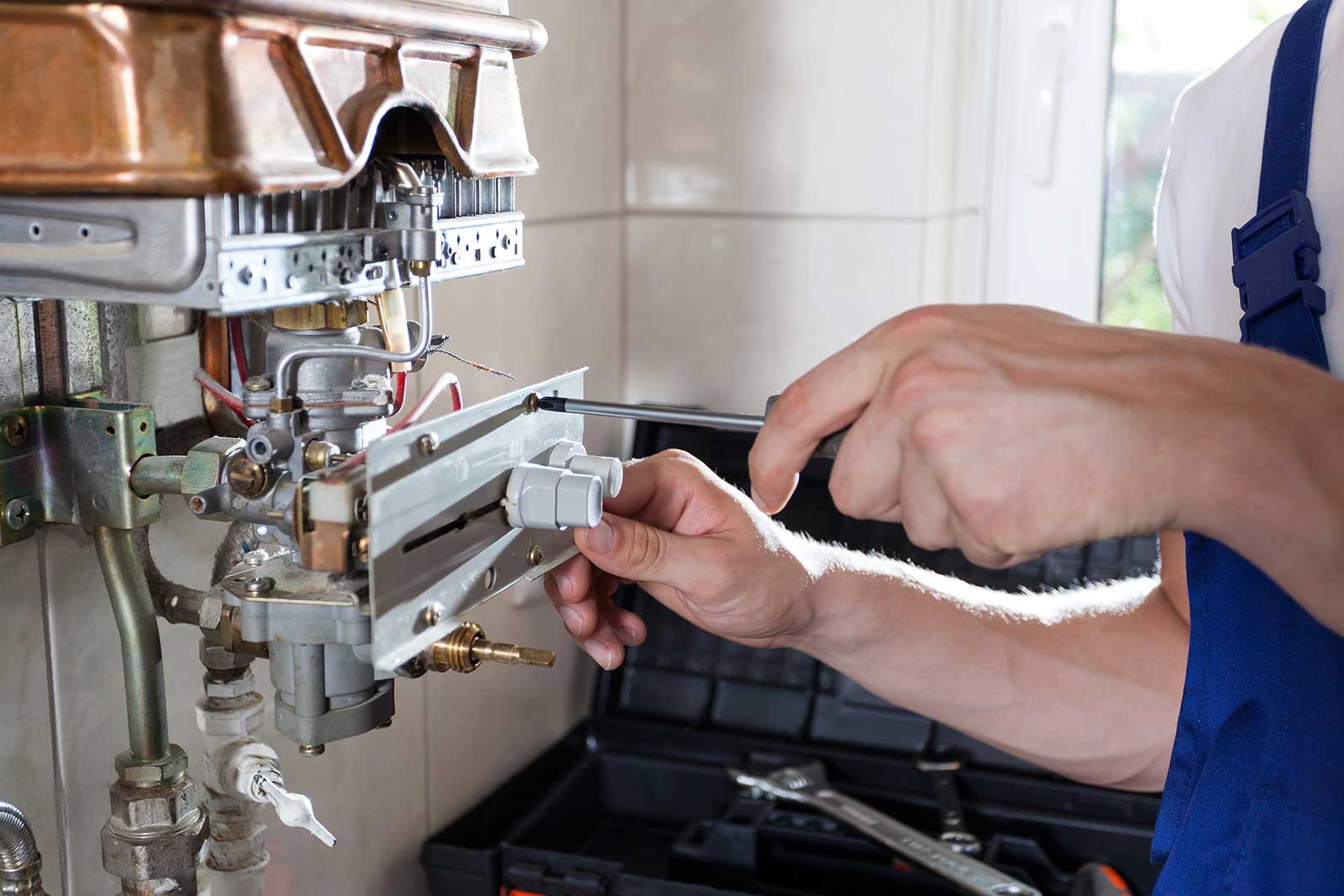

Installing or replacing a water heater in California involves more than picking the right size or fuel type. At Payless Water Heaters, we regularly help homeowners navigate the rules that govern water heater installation in California. These building codes exist to protect safety, prevent property damage and ensure systems work properly long term. Understanding how codes affect installation can help you avoid delays, fines and costly corrections.
Why Water Heater Building Codes Matter
Hot water is essential in every home. Whether you are washing dishes, doing laundry or taking a shower, it is something you expect to work reliably. California building codes ensure water heaters are installed safely and correctly to protect people and property. Failing to follow California water heater code requirements can result in failed inspections, insurance issues, or even having to reinstall the system entirely.
Building code requirements vary slightly by city and county, but most local regulations share common safety standards. These rules apply to replacements, upgrades and new installations, not just new construction.
Seismic Strapping Requirements
Because California is prone to earthquakes, seismic strapping is mandatory. Water heaters must be secured with two metal straps, one in the upper portion of the unit and one in the lower portion. The lower strap must be installed several inches away from controls to avoid damage.
Improper or missing straps can allow the heater to tip over during seismic activity, which may rupture gas or water lines and create serious hazards. Seismic strapping is one of the most commonly failed inspection items when homeowners attempt a DIY install.
Venting and Airflow Rules
Venting is critical for water heater compliance in California standards. Proper venting directs exhaust gases safely outside the home and prevents dangerous buildup indoors. Double-wall, metal venting is typically required and must be installed with the correct clearances from walls and combustible materials.
Improper venting can lead to failed inspections and serious safety risks. Building codes strictly regulate vent size, material and installation angle to ensure exhaust flows correctly.
Garage Installation Height
If your water heater is installed in a garage, California codes require it to be raised above the floor. This rule helps keep ignition sources and controls away from flammable vapors that may collect near ground level.
The required height is typically 18 inches off the floor. This is a detail many homeowners overlook, yet it is frequently checked during inspections.
Sediment Traps and Gas Line Safety
Gas water heaters require a sediment trap installed on the gas line near the unit. This small but important component prevents debris from entering the burner assembly which can cause malfunctions or unsafe operation.
A missing sediment trap is a common code violation and must be corrected before an installation can pass inspection.
Permits and Inspections in California
While some areas allow homeowner installation, permits and inspections are still required. Installing a water heater without a permit can result in fines, delayed home sales or forced removal of the unit.
So what happens if you install a water heater without a permit? In many cities, penalties can add up quickly and unpermitted work may void insurance coverage. Permits ensure your installation meets current new water heater requirements and allows an inspector to verify safety features.
Why Professional Water Heater Installation Matters
Water heater codes are detailed and constantly changing. Professional installers stay up to date on local requirements and know how to handle permits, inspections and proper installation the first time. This saves homeowners time, stress and unexpected expenses.
At Payless Water Heaters, our installers understand what is required by law and by local building departments across California. We make sure every installation is safe, compliant and built to last.
Let the Professionals at Payless Ensure California Water Heater Code Compliance
Understanding the building code for water heater installation helps you make better decisions and avoid unnecessary risks. From seismic straps and venting to permits and placement, these requirements exist to protect your home and everyone in it.
If you are planning a replacement or upgrade, working with professionals ensures your system meets all regulations without headaches or surprises.
Ready To Get Started?
Planning a water heater upgrade? Let Payless Water Heaters handle the details. Call or text us today for fast, reliable service that gets you hot water in hours, not days.